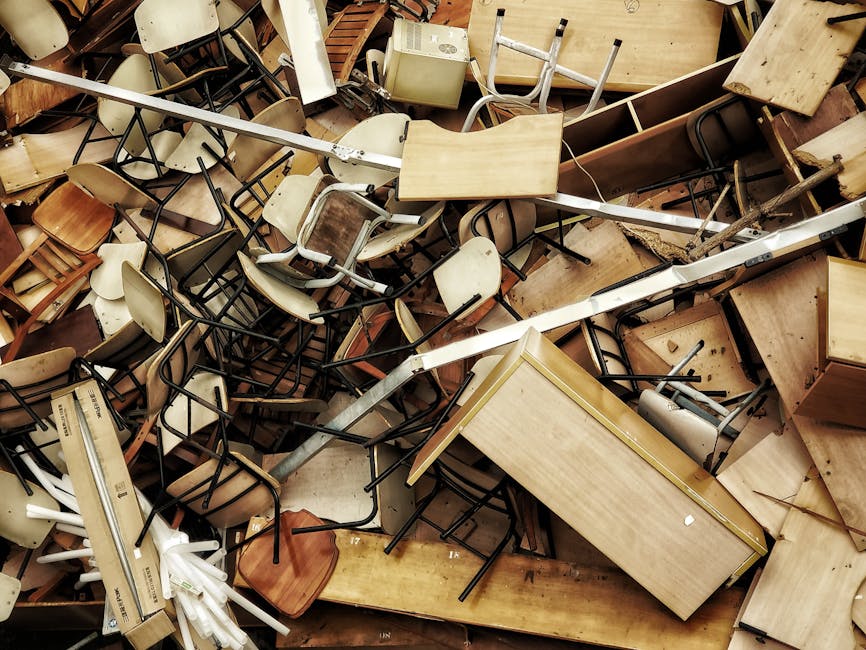
Commercial rubbish clearance for Ealing shops and offices

If you run a shop, cafe, studio, practice, or small office in Ealing, rubbish has a habit of piling up at the worst possible time. One day it is a broken desk, a few old chairs, and packaging from a delivery. Next, it is a back room you can barely walk through. Commercial rubbish clearance for Ealing shops and offices is the practical way to get that space back without turning your working day upside down.
This guide explains how it works, what it is for, what to check before booking, and how to avoid the little mistakes that create bigger headaches later. We will keep it straight, local, and useful. No fluff. Just the things that matter when you need waste gone and business moving again.
- Why it matters
- How it works
- Key benefits and practical advantages
- Who needs this and when it makes sense
- Step-by-step guidance
- Expert tips for better results
- Common mistakes to avoid
- Tools, resources and recommendations
- Law, compliance, standards and best practice
- Options and comparison table
- Case study or real-world example
- Practical checklist
- Conclusion
- Frequently asked questions
Why Commercial rubbish clearance for Ealing shops and offices Matters
Commercial waste is not just a tidiness issue. In a busy Ealing high street shop or a compact office near the station, clutter affects day-to-day work in ways people only notice once it has gone. Delivery access gets awkward. Staff waste time moving bags and boxes. Stock rooms become catch-all spaces. Customers see the mess, even when they do not say anything.
There is also the simple matter of risk. Loose packaging, damaged furniture, old electricals, and stacked items can create trip hazards or block fire routes. That is a real concern in workplaces, especially where public access is involved. You do not want a bin corner becoming the thing everyone has to step around all week. Let's face it, no one likes that corner.
For many businesses, rubbish clearance becomes urgent during:
- shop refits and seasonal resets
- office moves or desk clear-outs
- end-of-lease handovers
- post-renovation tidy-ups
- stockroom reorganisations
- unexpected equipment replacement
It also matters for reputation. A tidy shopfloor or office entrance sends a strong signal: organised, cared for, open for business. That sounds small, but customers and clients notice it. Often before they notice anything else.
How Commercial rubbish clearance for Ealing shops and offices Works
The process is usually simpler than people expect. In most cases, a commercial clearance starts with identifying what needs removing, what can be reused or recycled, and whether any items need special handling. From there, the collection is planned around your opening hours, access points, and the volume of waste involved.
A typical service may include a site visit, a photo assessment, or a quick phone discussion. If the waste is straightforward, you may not need much more than a description and a few pictures. If the job includes bulky furniture, appliances, or mixed materials, a clearer rundown helps avoid delays on the day.
Commercial rubbish clearance often covers items such as:
- office desks, chairs, cupboards, and filing units
- shop fittings, shelving, and display units
- packaging, cardboard, and general business waste
- broken appliances and redundant equipment
- mixed rubbish from refurbishments or clear-outs
Some businesses also need a more specific service for workspaces. If the clearance is mainly office-focused, office clearance may be the most natural fit. If you are dealing with mixed business waste, the broader business waste removal service is worth looking at too.
In practice, the best jobs are the boring ones. Clear instructions, easy access, sensible timing. A team arrives, removes the waste, sweeps up, and leaves the place usable again. Simple, but that simplicity is exactly what busy businesses need.
Key Benefits and Practical Advantages
The obvious benefit is that the waste disappears. Fair enough. But the real value goes beyond that.
1. You reclaim usable space. A back office, stock area, or spare room filled with old furniture is wasted potential. Once cleared, you can store inventory properly, create workspace, or simply breathe a bit easier.
2. You save staff time. It is rarely worth asking employees to spend hours moving rubbish into the rear yard or waiting for a few small collections. Professional clearance frees them up for the work they were actually hired to do.
3. You can reduce disruption. With a planned collection, the removal can happen outside trading peaks or before opening. That matters in Ealing, where a missed delivery slot or blocked doorway can throw the whole morning off.
4. You improve safety. Fewer loose items means fewer trip risks, fewer blocked routes, and less chance of damage to stock or equipment.
5. You handle mixed waste more efficiently. Many commercial clear-outs include a bit of everything: broken furniture, packaging, old printers, unwanted fixtures. A good clearance service can sort those materials rather than leaving you to guess what goes where.
6. You support better recycling outcomes. Reusable and recyclable materials should not be buried in general waste if they can be separated responsibly. If sustainability matters to your brand, that is a meaningful plus. You can also explore the company's recycling and sustainability approach for a clearer sense of how materials are handled.
7. You get a cleaner end result. A genuine clearance should do more than take the big pieces. It should leave the space in a state that feels ready for its next use. That little after-effect matters more than people admit.
Expert summary: for most Ealing businesses, the best commercial rubbish clearance is not the fastest one on paper; it is the one that removes the right items, fits your schedule, and leaves the premises safe, tidy, and easy to use again.
Who This Is For and When It Makes Sense
This kind of service suits a wide mix of businesses. Shops, offices, small studios, hospitality venues, clinics, salons, and managed workspaces all generate waste that eventually outgrows the usual bin routine. If you have ever stood in a room and thought, "Right, this has become a storage unit by accident," you are probably in the right place.
It makes sense when:
- you are replacing old furniture or equipment
- you are clearing out after a refit
- the waste is too bulky for your regular collection
- the back-of-house area has become overcrowded
- you are preparing to move or surrender a lease
- you need a one-off purge before busy trading periods
For retailers, the pressure often builds in layers. A few damaged shop fittings here, a pile of cardboard there, an old fridge in the corner, and suddenly the storage space is useless. Offices have a slightly different problem: papers, screens, desks, and miscellaneous tech create a slow-growing mess that tends to hide in plain sight.
Some businesses also need linked services alongside clearance. For example, old furniture may need separate handling through furniture disposal or a broader furniture clearance service. If there are appliances involved, fridge and appliance removal may be the safer, more appropriate route.
Truth be told, many business owners wait too long. Not because they do not care, but because there is always something more urgent. Sales. Staff rotas. Suppliers. Yet the waste keeps building. Eventually it becomes the thing that slows everything else down.
Step-by-Step Guidance
If you want the smoothest possible clearance, a little preparation goes a long way. Here is the practical version.
- Walk through the space carefully. Look at every room, corridor, store area, and loading point. Make a simple list of what is staying and what is going.
- Separate obvious categories. Keep general rubbish, furniture, appliances, confidential papers, and anything hazardous in different groups where possible. It makes planning much easier.
- Check access. Note stairs, lifts, tight doorways, parking restrictions, shutters, and delivery times. Small access issues can become big delays.
- Flag specialist items early. Batteries, chemicals, certain cleaning products, and damaged electricals should be identified before collection. If you are unsure, ask rather than guessing.
- Book a suitable time slot. Early mornings or quieter trading windows often work best. That helps reduce customer disruption and avoids staff traffic.
- Protect anything staying on site. Move stock, cover delicate items, and label anything that must not be touched. A few clear labels save a lot of awkwardness later.
- Confirm what happens after loading. Ask whether the team will sort for recycling, provide paperwork where relevant, and sweep the area once the waste is removed.
If you are trying to clear a worksite rather than a standard office or shop, a related service such as builders waste clearance may be more suitable. The type of waste changes the approach quite a bit. Not dramatically, but enough to matter.
A small but useful habit: take photos before the clearance, especially if you are leaving a lease or managing a fit-out. It is just good record-keeping. Nothing fancy. Just sensible.
Expert Tips for Better Results
These are the details that tend to separate a decent clearance from a frustrating one.
Be clear about mixed waste. If a room contains both office items and bulky rubbish, say so from the start. Mixed loads are manageable, but only if the team knows what to expect.
Measure awkward items. A giant reception desk or commercial fridge sounds easy enough until it reaches a narrow staircase. A rough measurement can prevent a lot of back-and-forth.
Do a quick confidential sweep. Offices in particular hide paperwork in drawers, shelves, and random boxes. Before anyone removes furniture, check for documents that should be shredded or retained. If you need a more careful approach, the site's confidential shredding page is relevant.
Think in zones. Divide the space into "clear", "maybe", and "stay". Even a rough zoning system helps staff avoid accidental disposal. It sounds a bit basic, but it works.
Plan around trading pressure. If the shop is busiest on Fridays, do not schedule a clearance that forces staff to work around moving waste all afternoon. Obvious, yes. Still worth saying.
Ask about sorting and disposal routes. The better services do more than collect; they separate usable materials, recyclable items, and anything requiring specialist treatment. That can support better outcomes and reduce the amount going into general waste.
Keep one person in charge. Too many voices create confusion. One contact, one decision-maker, one clear instruction set. Much calmer.
Common Mistakes to Avoid
Most clearance problems are avoidable. The trouble is, they only seem obvious after the fact.
- Leaving the sort-out until collection day. That is how useful items get mixed with rubbish, and how the job takes longer than it should.
- Forgetting about restricted access. Parking, loading bays, and narrow hallways can affect timing more than the waste volume itself.
- Not mentioning special waste. Appliances, liquids, and certain workshop materials should never be treated as ordinary rubbish.
- Assuming every item can go together. It often cannot. General waste, furniture, appliances, and confidential materials may need different handling.
- Booking too late. If you are moving premises or closing for refurbishment, waiting until the last minute creates needless stress. Plenty of stress already, thanks.
- Ignoring the end result. A clearance is not only about removal. It should leave the area functional and reasonably tidy.
Another common slip is underestimating volume. A few chairs and boxes do not sound like much until they fill a van faster than expected. Then suddenly the "small job" is not small at all.
Tools, Resources and Recommendations
You do not need a warehouse full of equipment to organise a sensible clearance, but a few simple tools help.
- Basic inventory list: a phone note or spreadsheet works fine for recording what is leaving.
- Camera phone: useful for taking room photos and awkward item shots before booking.
- Labels or tape: mark keep, remove, and do-not-touch items.
- Gloves and sturdy bags: helpful for staff if anything needs light pre-sorting.
- Access notes: keep a record of entry codes, parking restrictions, lift sizes, and loading times.
As a planning resource, the page on pricing and quotes is useful when you want to understand how a quotation is usually approached. The exact price depends on volume, item type, access, and timing, so it is wise to compare like with like rather than chase the lowest number by instinct.
If you are unsure what can be taken in a more general load, the guide on what can go in a skip can help you think through item categories, even if you are not actually booking a skip. It is one of those pages that saves you from making assumptions. Helpful, in other words.
Law, Compliance, Standards, or Best Practice
For businesses, waste is not just a practical issue; it also comes with responsibilities. The exact legal requirements depend on the type of waste and your business setup, so it is sensible to treat this carefully and not casually. General best practice in the UK is to keep waste separated where possible, avoid mixing prohibited materials into ordinary rubbish, and use a service that handles disposal responsibly.
If you are clearing an office, confidential documents should not simply be thrown into open waste bags. Sensitive paperwork may need secure destruction. If there are electrical items, they should be handled in line with accepted waste handling practice rather than dumped at random. For anything hazardous, extra caution is essential. That includes cleaning chemicals, certain maintenance materials, and other items that should never go into a standard load.
It is also sensible to ask about insurance, site safety, and staff procedures before booking. The pages on insurance and safety and health and safety policy are relevant here, because commercial clearance should be managed with basic workplace safety in mind. You are not being fussy by asking. You are being prudent.
For businesses that want to show a better environmental approach, choosing a provider with a clear recycling process matters. That does not mean every single item can be recycled, of course. Some things cannot. But responsible sorting is still the standard you should expect.
And yes, if there are items that may be classified as hazardous, it is better to flag them early rather than improvise on the day. That is one of those moments where being careful saves time later.
Options, Methods, or Comparison Table
Different commercial clearances call for different methods. The right choice depends on waste type, timing, access, and how much sorting you want to handle yourself.
| Method | Best for | Advantages | Points to think about |
|---|---|---|---|
| Full commercial clearance | Shops and offices with mixed, bulky, or awkward waste | Fast, convenient, minimal disruption | Best when you want everything handled in one visit |
| Office-specific clearance | Desks, chairs, storage units, and workstation equipment | Well suited to workplace furniture and light office waste | May not be ideal for heavy mixed trade waste |
| Business waste removal | Ongoing or periodic business rubbish | Useful for regular disposal needs | May be better as part of a longer-term waste plan |
| Specialist item removal | Appliances, confidential waste, or hazardous items | Safer handling of awkward or regulated items | Needs early identification and clear instructions |
If you are mainly clearing old desks and meeting-room furniture, a focused office clearance service may be the neatest option. If you are dealing with a larger mixed-load reset across retail and storage areas, broader waste removal may suit better. It really depends on what is on site, not just the sector name.
Case Study or Real-World Example
Picture a small Ealing shop preparing for a mid-year refit. The front area is fine, but the stockroom has become a jumble of old shelving, damaged displays, broken packaging, and a couple of bulky items no one wants to deal with. Staff have been stepping around it for weeks. Every morning, the room feels smaller. By lunchtime, it feels smaller still.
Instead of trying to chip away at it between customers, the owner books a commercial rubbish clearance for an early weekday slot. Before the team arrives, the owner has already separated a few reusable fixtures, flagged one appliance for special removal, and labelled a box of papers that should not leave the premises in general waste. That tiny bit of preparation makes the whole job smoother.
The clearance team removes the waste in one visit, the floor is left clearer, and the stockroom becomes usable again. Not glamorous. Not dramatic. Just a real improvement. Staff can walk through properly, deliveries are easier to manage, and the shop no longer has that lingering "we are in the middle of something" feeling.
That last part matters more than most people think. A cluttered business space affects mood. A cleared one changes how people move, think, and work. You can feel it almost immediately. Even the air seems less busy.
Practical Checklist
Use this checklist before you book.
- List all items that need removing
- Separate general waste, furniture, appliances, papers, and special items
- Measure bulky or awkward pieces
- Check access, parking, and loading restrictions
- Choose a time that causes the least disruption
- Protect stock and items that are staying
- Label confidential documents for secure handling
- Ask how recyclable materials will be managed
- Confirm whether the area will be swept afterwards
- Keep photos for your own records if needed
If the clearance is part of a wider business move or refurbishment, it can also help to review terms and conditions before you go ahead, especially if timing, access, or item categories may affect the job. A five-minute read can prevent a five-hour headache. Maybe not sexy, but very useful.
Conclusion
Commercial rubbish clearance for Ealing shops and offices is really about control. Control over space, timing, safety, and the impression your premises give to staff and customers. When it is handled well, you get more than a clean room. You get a workspace that feels workable again.
The best results come from clear planning, realistic expectations, and choosing the right type of clearance for the waste in front of you. Whether you are clearing a shop stockroom, refreshing an office, or preparing a property for handover, the process becomes much easier when you sort the load properly and deal with specialist items early.
And once it is done, there is a nice simple feeling to it. The kind where you open the door, look at the cleared space, and think: yes, that is better.
Get a free quote today and see how much you can save.
Frequently Asked Questions
What counts as commercial rubbish clearance for shops and offices?
It usually means removing business waste, bulky items, old furniture, packaging, fixtures, and mixed rubbish from commercial premises. In shops and offices, that often includes stockroom clutter, worn furniture, and items left over after a refit or move.
Is commercial rubbish clearance different from regular waste collection?
Yes. Regular collection is usually routine and limited to standard bins or scheduled pickups. Commercial rubbish clearance is more flexible and is designed for bulky, mixed, or one-off waste that needs manual loading and sorting.
How should I prepare my Ealing shop or office before clearance day?
Make a simple list of what is going, separate obvious categories, label anything confidential or delicate, and check access routes. If you can, clear a path to the waste so the team can work without stopping every few minutes to move obstacles.
Can office furniture be removed with general rubbish?
Sometimes yes, but it is usually better to treat furniture as a separate item category. Desks, chairs, cupboards, and filing cabinets can be removed more efficiently when they are identified in advance, especially if they are bulky or need dismantling.
What happens to the waste after collection?
That depends on the material type and the service used. Reusable and recyclable items may be separated, while non-recyclable waste goes through the appropriate disposal route. It is sensible to ask how sorting is handled before booking.
Do I need to separate confidential documents before a clearance?
Yes, if there is any risk of sensitive paperwork being mixed into general waste. Offices often have files in drawers, shelves, and old storage boxes, so a quick check is worth doing. Secure handling is the safer route.
What if I have appliances or fridges to remove?
Those items should be flagged early because they can require different handling from normal waste. If appliances are part of the job, make sure they are listed clearly rather than added as an afterthought on the day.
Is commercial rubbish clearance suitable for a shop refit?
Yes, very much so. Refits often generate a mix of packaging, old displays, broken fixtures, and redundant fittings. A clearance service can remove that material in one visit, which is usually far easier than trying to manage it piece by piece.
How do I know whether I need office clearance or business waste removal?
If the job is mainly furniture, workstations, and office contents, office clearance is often the better fit. If you need a broader, recurring or mixed-waste service, business waste removal may be more suitable. The best choice depends on the actual load.
Can clearance be arranged outside normal trading hours?
Often yes, and that can be especially useful for shops and offices that want to avoid interrupting customers or staff. Early mornings and quieter periods are usually easiest, but the exact timing depends on access and scheduling.
What should I ask before accepting a quote?
Ask what is included, how access affects the price, whether bulky items or special waste change the job, and whether the area will be tidied afterwards. A clear quote is not just about the number; it is about what that number actually covers.
How do I avoid delays on clearance day?
Label items clearly, keep access points open, confirm parking or loading arrangements, and make sure someone is available to answer questions. A bit of preparation usually saves a lot of awkward running around. Simple, really.
Is it worth checking company information before booking?
Yes. A reputable provider should be transparent about safety, payment, and its policies. Pages such as about us, payment and security, and insurance and safety can help you judge whether the service feels properly set up for commercial work.
What if I am not sure some waste is hazardous?
Do not guess. Set those items aside and ask for guidance before collection. Hazardous materials need a more careful approach than standard rubbish, and it is far better to identify them early than deal with them badly later.