Flat Clearance Ealing — Recycling and Sustainability
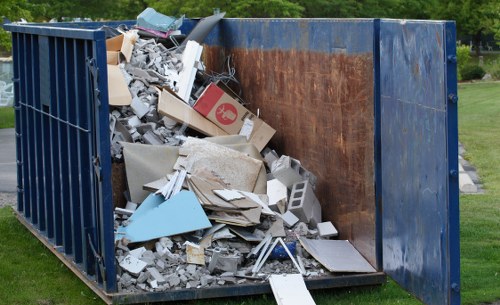 Flat Clearance Ealing is committed to creating an eco-friendly waste disposal area and a truly sustainable rubbish area for residents across the borough. Our emphasis is on reuse first, followed by recycling and responsible disposal. We operate with measurable targets: an 80% recycling and reuse target for all clearance material within the next three years, and continual improvement plans to push rates higher where practical. This approach reduces landfill, preserves resources and supports a circular economy across west London.
Our teams work closely with local borough policies and take into account each borough's approach to waste separation: many local authorities encourage dry mixed recycling, separate food waste collections and dedicated collection routes for bulky waste and textiles. By aligning with those systems we ensure that materials sorted at the property level enter the correct streams — glass, paper/card, metal, plastics, textiles and organic material are handled separately where possible to maximise recovery.
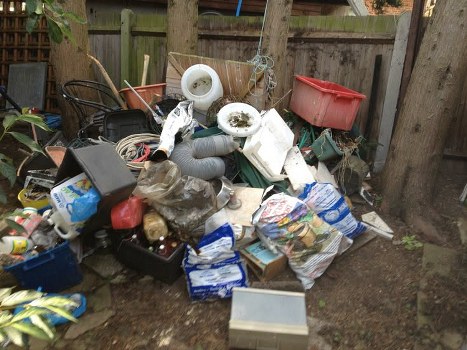 We make use of authorised local transfer stations and municipal facilities to keep the chain of custody transparent and efficient. Instead of sending mixed loads to landfill, clearance loads are consolidated and taken to borough transfer sites or nearby West London transfer stations and materials recovery facilities (MRFs). This logistics-first approach minimises double-handling, lowers transport emissions and improves the proportion of material that can be diverted to recycling or reuse.
How we create an effective sustainable rubbish area
We prioritise diversion to reuse networks and local charities before processing materials mechanically. That means furniture, working appliances, clothing and usable household items are audited on-site and offered to partner charities and community reuse hubs. Our partnerships include local social enterprises, furniture reuse charities and community groups that accept gently used goods for redistribution, training programmes or refurbishment projects.
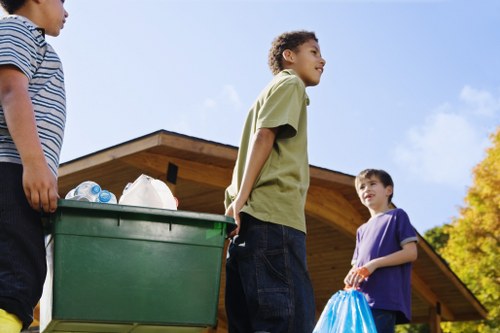 Our fleet and logistics support those partnerships. We operate a mixed fleet of low-carbon vans — including electric vehicles and Euro-6 low-emission diesel hybrids — with route optimisation software to reduce mileage and idle time. By using low-emission vehicles for collection and transfer we reduce the carbon footprint of each clearance, making the entire service part of a broader eco-conscious waste disposal strategy.
To make sustainable clearance simple for residents we provide clear sorting at source and we manage onward processing with certified facilities. Materials that cannot be reused are directed to specialist recyclers: metals to metal processors, WEEE (electricals) to authorised WEEE recyclers, wood to biomass processors or reclamation outlets, and organic waste to composting operations where possible. Our links to transfer stations and MRFs ensure compliant handling and documented recycling outcomes.
Targets, partnerships and local action
We record and report our performance against a clear recycling percentage target. Our current operational goal is to achieve at least 80% diversion from landfill across routine clearances, with an aspirational stretch target of 90% for items suitable for reuse. Regular audits, load sampling and partner reporting help us validate progress so we can be accountable to residents and community stakeholders.
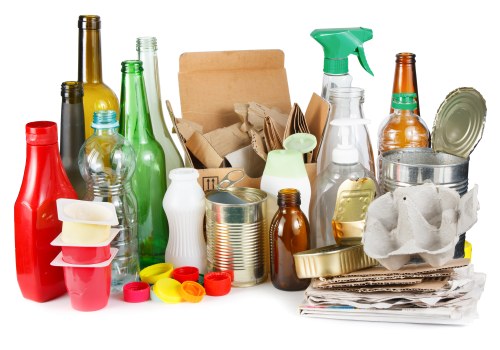 Partnerships with charities and social enterprises are central to our model. We work with local reuse organisations that collect and refurbish furniture, community textile banks, and charitable outlets that accept working household appliances and small electrical items. These collaborations create social value — providing affordable items to those in need and supporting local employment and training — while also keeping good material in circulation instead of being processed as waste.
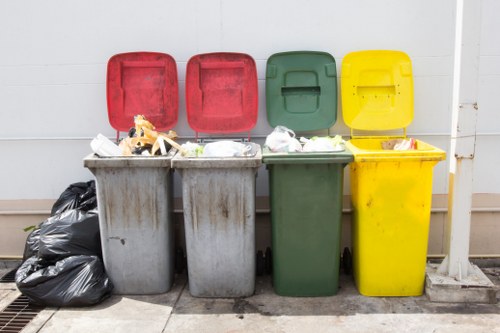 Our services also reflect borough-level waste separation practices: where local councils operate separate glass and food collections or require textiles to be separated, our teams follow the same sorting conventions during clearance. We also run small-scale item-level segregation for hazardous or restricted items so that batteries, lightbulbs, paint and chemicals are sent to appropriate hazardous waste facilities rather than contaminating recyclables.
Key elements of our sustainable clearance offering include:
- Reuse-first assessment to divert usable items to charity partners and resale channels.
- Segregation at source in line with borough guidance to improve material quality.
- Use of low-carbon vans and route optimisation to reduce emissions associated with collections.
- Transfers to authorised local transfer stations, MRFs and specialised recyclers.
- Transparent reporting against recycling percentage targets and regular audit checks.
We recognise that creating an effective green clearance area extends beyond collections. It includes responsible procurement, staff training in correct segregation practices, and regular review of downstream partners to ensure compliance with environmental standards. By embedding sustainability into every step — from initial assessment to final processing — we make sure clearances deliver long-term environmental benefit to the borough and to residents.
If an item can be given a second life, we prefer to donate or resell it through local charity networks. If reuse isn’t viable we maximise recycling and only resort to disposal when regulated options have been exhausted. This hierarchy — reuse, recycle, recover, dispose — underpins our approach to creating a truly sustainable rubbish area in Flat Clearance Ealing.
Flat Clearance Ealing remains focused on measurable improvement: higher recycling rates, fewer vehicle emissions through low-carbon vans, stronger charity partnerships and smarter use of local transfer stations and MRFs. Together these actions build a resilient, local system for eco-friendly waste disposal that benefits the community, the economy and the environment.