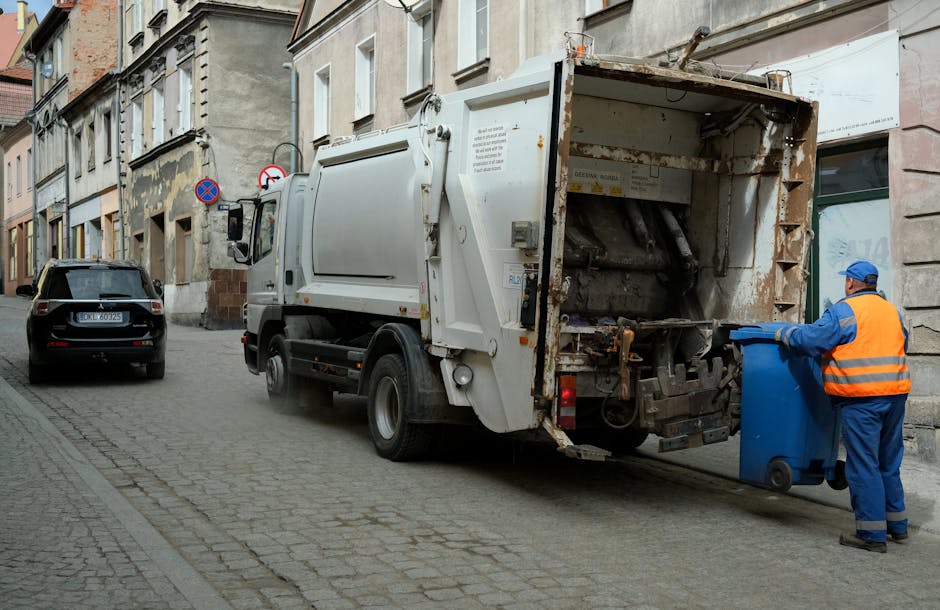
Ealing rubbish removal guide for West Ealing residents
If you live in West Ealing, rubbish has a funny habit of building up at exactly the wrong time: after a move, before guests arrive, or halfway through a clear-out when the hallway starts looking like a storage unit. This Ealing rubbish removal guide for West Ealing residents is designed to make the whole process feel far less chaotic. You will find practical advice on what to remove, how the process works, when professional help makes sense, and what to watch out for so you do not end up paying twice or lifting a wardrobe you really should not be lifting at all.
To be fair, rubbish removal sounds simple until you are standing in front of a pile of broken furniture, garden waste, old appliances, and a few mystery bags from the back of the cupboard. Then the questions start: what can go in a skip, what needs specialist disposal, and which option is actually the least stressful? Let's sort that out properly.
- Why rubbish removal matters in West Ealing
- How rubbish removal works
- Key benefits and practical advantages
- Who this guide is for
- Step-by-step guidance
- Expert tips for better results
- Common mistakes to avoid
- Tools, resources and recommendations
- Law, compliance, standards and best practice
- Options and comparison
- Real-world example
- Practical checklist
- Conclusion
- Frequently asked questions
Why Ealing rubbish removal guide for West Ealing residents Matters
West Ealing has its own rhythm. Flats above shops, shared houses, family homes, renovation projects, small gardens, busy high streets, and limited space for keeping bulky waste "just for now". That means rubbish removal is not just a tidy-up job; it is often part of making the property liveable again.
When rubbish sits around, it starts causing practical problems pretty quickly. Rooms feel smaller. Access gets awkward. Dust builds up. Boxes become trip hazards. And if you are dealing with a move or refurbishment, waste can slow everything else down. One forgotten sofa or a pile of rubble near the front door can turn a simple day into a bit of a slog.
There is also the neighbourhood factor. In a busy part of Ealing, leaving waste in the wrong place or too long can create nuisance, attract vermin, or draw complaints from neighbours and managing agents. A good rubbish removal plan keeps things moving without drama. Which, frankly, is a blessing.
This matters even more if you are dealing with mixed waste streams. Furniture, appliances, green waste, builders' rubble, and confidential paperwork all behave differently. They should not be treated the same way. A proper approach helps you separate what can be reused, recycled, or disposed of safely.
Expert summary: The best rubbish removal plan is the one that matches your waste type, your space, and your timing. In West Ealing, that usually means planning ahead, sorting waste early, and choosing the method that saves you the most time and hassle, not just the one that looks cheapest on paper.
How Ealing rubbish removal guide for West Ealing residents Works
In practice, rubbish removal usually follows a simple pattern: identify the waste, decide how urgent it is, choose a collection method, and make sure the items are handled correctly. The detail is where things get interesting.
For many households, the process begins with a quick sort. You may split items into furniture, general rubbish, garden waste, electrical items, and anything that needs special handling. If the job is a bit bigger, such as a flat clearance or house clearance, it helps to work room by room. That sounds obvious, but in real life people tend to start with the easy stuff and then get stuck on the awkward bits. We have all done it.
Depending on the scale, you might use a skip, book a clearance team, or take items to a waste facility yourself. Each approach has trade-offs. A skip can be useful if you have space and time. A rubbish removal service is better when you need heavy lifting, quick turnaround, or mixed materials collected from inside the property. Self-haul works if you have access to transport and do not mind the legwork.
If your waste includes bulky household items, pages like furniture disposal and mattress and sofa disposal can help you understand how those items are usually handled. If you are clearing a flat, a fuller solution such as flat clearance may be more efficient than trying to piece everything together yourself.
For builders' debris and renovation waste, a more specialist approach is often needed. That is where builders waste clearance becomes relevant, because plasterboard, broken tiles, timber offcuts, and mixed rubble usually need a different handling plan from ordinary household rubbish.
Key Benefits and Practical Advantages
Rubbish removal is one of those services that feels most valuable when you are already under pressure. The benefits are not abstract. They are immediate, physical, and rather satisfying.
- More usable space: Clearing waste quickly gives you rooms, hallways, lofts, and sheds back.
- Less physical strain: Heavy lifting, awkward stairs, and narrow doorways are not everyone's idea of a good afternoon.
- Faster project progress: If you are decorating, moving, or renovating, waste clearance keeps the work moving.
- Better recycling outcomes: Sorted waste is easier to divert from landfill where appropriate.
- Reduced stress: One less pile of clutter can make the whole property feel calmer. Oddly powerful, that.
There is also a practical cost angle. Paying for the right disposal method can prevent repeated trips, missed collections, or accidental damage. For example, trying to carry a fridge down a cramped staircase without the right equipment may sound economical. In reality, it is usually the sort of thing people regret halfway through the first landing.
For households with mixed contents, a wider service like home clearance or house clearance can be more efficient than booking several separate collections. If the waste is mostly old cupboards, chairs, and broken domestic items, a targeted furniture clearance may be the neatest option.
Who This Is For and When It Makes Sense
This guide is useful for a wide range of West Ealing residents, not just people doing a dramatic clear-out. In real life, rubbish removal tends to be needed in the middle of ordinary life. A bit inconvenient, usually.
- People moving home: Extra furniture, packaging, broken items, and unwanted clutter can pile up fast.
- Landlords and tenants: End-of-tenancy clearances often include a mix of left-behind items and general rubbish.
- Families: Household routines generate stuff. Toys, packaging, old appliances, and outgrown furniture all build up.
- Homeowners renovating: Building waste, fixtures, and old fittings need prompt removal.
- Small businesses: Offices and local workspaces may need occasional waste removal or confidential disposal.
- Garden owners: Branches, soil, cuttings, broken pots, and old outdoor furniture can fill a corner surprisingly quickly.
It also makes sense when waste is getting in the way of safety. If bags are stacked near exits, boxes are blocking a loft hatch, or broken items are sitting around where children or pets can reach them, you probably want to act sooner rather than later. That is not overreacting. That is just sensible.
If you are dealing with outdoor waste, garden clearance can be a better fit than treating everything as generic rubbish. Likewise, garages and lofts often need dedicated attention because they become storage black holes. A garage clearance or loft clearance can be a relief once you finally commit to it.
Step-by-Step Guidance
Here is a simple way to handle rubbish removal in West Ealing without making it harder than it needs to be.
- Walk through the property and identify everything that needs to go. Be honest about what is waste, what can be donated or reused, and what needs specialist handling.
- Separate the waste into categories. For example: general rubbish, furniture, appliances, garden waste, builders' waste, confidential documents, and hazardous items.
- Check access. Measure doorways, stairwells, lift access, parking space, and any restrictions. This matters more than people expect.
- Decide which disposal method suits the job. Small and simple jobs may suit self-haul or a skip. Larger or awkward jobs usually benefit from a collection service.
- Remove anything that must not go with general waste. Batteries, paint, chemicals, and certain electrical items should be handled separately.
- Book the clearance at the right time. Try to avoid leaving waste waiting too long, especially if you are in a shared block or a busy street.
- Prepare the items for collection. Put waste in accessible areas, keep walkways clear, and label anything that needs special care.
- Confirm what has been taken and where it is going. A responsible provider should be able to explain the disposal route in plain English.
That last point is quietly important. Good rubbish removal is not just about van space and muscle. It is about traceability, care, and having a plan for different waste types. If that sounds a little formal for a Saturday morning clear-out, fair enough. But it matters.
Expert Tips for Better Results
A few small decisions can make rubbish removal much smoother. These are the things people often learn the hard way.
- Sort before you call. A clear list of waste types helps you choose the right service quickly.
- Keep bulky items together. Sofas, wardrobes, bed frames, and white goods are easier to manage when grouped.
- Think about lifting routes. The shortest route is not always the easiest route.
- Photograph the waste. This is especially useful if you want a more accurate quote and fewer surprises on the day.
- Ask about recycling and reuse. Some items may be suitable for separate treatment rather than simple disposal.
- Be realistic about time. A one-room clear-out can still take longer than you think if there are stairs, tight corners, or lots of sorting.
Here is a small but useful one: set aside a "decision pile" for items you are unsure about. Do not let those half-decisions slow the whole job. You can come back to them once the obvious waste is gone. It sounds basic, but it keeps momentum going. And momentum is everything when you are staring at a messy room.
If your job involves appliances, it is worth looking at fridge and appliance removal so you do not accidentally treat a heavy, regulated item like ordinary household rubbish. For confidential papers, confidential shredding is the more careful route. A bit boring perhaps, but better than finding old client paperwork in the wrong place later.
Common Mistakes to Avoid
Most rubbish removal problems are preventable. The same errors come up again and again, usually because people are rushing.
- Mixing everything together: This makes sorting harder and can slow collection or disposal.
- Forgetting about access: A van may be booked, but if no one can get a wardrobe through the staircase, the job becomes awkward fast.
- Leaving hazardous materials in the pile: Paint, solvents, asbestos-related materials, and some chemicals need specialist handling.
- Assuming one size fits all: A garage clear-out is not the same as a builders' clearance.
- Choosing only on price: The cheapest option is not always the best value if it creates delay, damage, or extra trips.
- Not checking the final plan: It is worth knowing where items are going, especially when recycling or reuse matters to you.
One mistake people rarely mention is overfilling their own schedule. They book a clear-out, then realise they still need to sort the loft, dismantle a bed frame, and move boxes from the hallway. Suddenly the "quick job" becomes an all-day event. Happens all the time.
Another issue is ignoring the little legal or safety details. For example, if you are clearing a workplace or shared building, there may be building rules, access times, or insurance requirements to respect. More on that below.
Tools, Resources and Recommendations
You do not need fancy equipment for every job, but a few basic tools make a big difference. Think of this as your practical kit list rather than a shopping spree.
- Heavy-duty bags and boxes: Better than thin bags that split halfway down the stairs.
- Gloves and sturdy shoes: Particularly important if you are moving sharp or dirty items.
- Mask and dust protection: Handy for lofts, garages, and older spaces that have not been opened in a while.
- Tape, labels, and markers: Useful for sorting items into keep, recycle, and remove piles.
- Dolly or sack truck: Helpful for heavier items, though not suitable for everything.
- Measuring tape: A small thing, but it helps with furniture and appliance movement.
In terms of service selection, look for a provider that explains pricing clearly and treats different waste streams with care. A useful next stop for understanding cost structure is pricing and quotes. If you care about where waste ends up, recycling and sustainability is a sensible page to review, because disposal should not feel like a black box.
For properties where the contents are overwhelming rather than just messy, a broader service such as house clearance or home clearance often saves time and mental energy. That mental energy part matters more than people admit.
Law, Compliance, Standards and Best Practice
Rubbish removal in the UK is not just a practical task; it also touches on environmental responsibility, safety, and duty of care. You do not need to become a compliance expert, but it helps to understand the basics.
At a general level, waste should be handled by people and systems that are appropriate for the material involved. That means separating hazardous or specialist waste, protecting people from injury, and avoiding fly-tipping or careless dumping. If you hire someone to remove waste, you want confidence that they handle it properly and respect the normal expectations around safe disposal.
Best practice usually includes:
- clear waste categorisation before collection
- careful handling of bulky and sharp items
- separate treatment for electricals, fridges, and hazardous materials
- respect for building access and neighbour disruption
- transparent communication about recycling and disposal routes
If you are arranging clearance for a business, office, or rented premises, the bar is even higher. Confidential material should be treated carefully, and disposal should not interfere with building safety or daily operations. That is where office clearance and business waste removal become useful options.
For builders' and renovation waste, the practical rule is simple: do not assume mixed construction debris can be treated like household rubbish. It often cannot. A service such as builders waste clearance is typically the better fit because it is designed for that kind of material.
Options, Methods, or Comparison Table
If you are trying to choose the right rubbish removal method, the comparison below should help. It keeps things simple without pretending every job is the same.
| Method | Best for | Pros | Watch out for |
|---|---|---|---|
| Self-haul | Small loads, accessible items | Low direct cost, full control | Time, transport, lifting, multiple trips |
| Skip hire | Ongoing DIY or renovation waste | Convenient for repeat loading | Space, permits, item restrictions, loading effort |
| Rubbish removal service | Bulky, mixed, or urgent waste | Fast, less lifting, often simplest overall | Needs clear access and a defined collection plan |
| Specialist clearance | Flats, offices, lofts, garages, large clear-outs | More tailored, often more efficient | Needs good briefing and item identification |
For many West Ealing residents, a service-led option is the easiest route when access is limited or the waste is awkward. If you have a front drive and a manageable load, a skip may be fine. If you have stairs, tight hallways, or a mix of item types, a collection team is often the calmer choice. Not glamorous, just practical.
If you want to understand what is suitable for a skip before making that decision, take a look at what can go in a skip. It can save a lot of guesswork.
Case Study or Real-World Example
Imagine a West Ealing resident clearing a two-bedroom flat after a long tenancy. The flat has a sofa that no longer fits the new layout, a broken shelving unit, a few bags of general rubbish, an old microwave, and boxes from a recent move. None of it is extreme, but together it makes the place feel crowded and unfinished.
They start by separating the items into piles. The sofa and shelving go together. The small electrical items are set aside. General rubbish is bagged. A couple of boxes contain paperwork and mixed bits that need another look. The hallway is kept clear so the flat remains safe to move around in.
At first, they think a small skip might do the job. Then they notice the building has tight access and no easy place for placement. A skip becomes less attractive quickly. A collection-based approach turns out to be more sensible, because the items can be taken directly from inside the property without the resident having to lug everything outside. That sounds like a minor detail until you are carrying a sofa cushion down three flights of stairs in the rain.
In the end, the job is completed in one visit, with the bulky furniture handled separately and the general rubbish removed cleanly. The flat feels bigger instantly. The resident says, in so many words, that they should have done it a week earlier. Honestly, that is the most common conclusion.
Practical Checklist
Use this checklist before your rubbish removal booking or self-clearance day. It keeps the job organised and reduces last-minute hassle.
- List every item that needs to go
- Separate furniture, electricals, garden waste, and general rubbish
- Set aside anything hazardous or uncertain
- Measure access points and stairways
- Check whether parking or loading access is available
- Decide if you need a skip, self-haul, or full collection service
- Remove valuables and documents from items being cleared
- Take photos if you want a more accurate quote
- Keep pathways and exits clear
- Confirm what happens to reusable, recyclable, or specialist items
If you are dealing with a full property, it may also help to review about us so you understand the kind of service philosophy you are choosing, especially if you want a team that values care, safety, and straightforward communication.
Conclusion
Rubbish removal in West Ealing is rarely just about getting rid of things. It is about restoring space, reducing stress, and making a property feel usable again. Once you match the right method to the right waste, the whole process becomes much simpler than it first looks.
Whether you are dealing with a flat clear-out, garden waste, old furniture, or renovation debris, the key is to plan the job before it becomes urgent. A little sorting upfront saves a lot of friction later. Truth be told, most people feel better the moment the first pile disappears.
For a careful, organised approach to waste and clearance, it helps to choose a service that explains pricing, access, and disposal clearly. If you want to understand more about how the team works and what standards matter, insurance and safety and health and safety policy are useful pages to review before booking.
Get a free quote today and see how much you can save.
And if you are still standing in front of a room full of clutter, take a breath. One clear step at a time is enough.
Frequently Asked Questions
What is the easiest way for West Ealing residents to remove bulky rubbish?
For bulky items, the easiest option is often a collection service that removes items from inside the property. That reduces lifting, avoids multiple trips, and suits flats or homes with awkward access.
Can I put all household waste into one pile?
You can sort it into one place for convenience, but it is better to separate items by type before collection. Furniture, appliances, garden waste, general rubbish, and hazardous materials should not all be treated the same way.
Is a skip always cheaper than rubbish removal?
Not always. A skip can be cost-effective for some projects, but you may need space for it, and you still have to load it yourself. For bulky or mixed waste, a clearance service can be better value overall.
What should I do with an old fridge or washing machine?
Appliances need careful handling because they are heavy and may have special disposal requirements. A dedicated appliance removal service is usually the safer and more practical option.
How do I know if waste is hazardous?
If it includes chemicals, paint, solvents, certain batteries, or materials that could be harmful to people or the environment, treat it as hazardous or specialist waste. When in doubt, keep it separate and ask before disposal.
Do I need to be present during the collection?
Usually yes, especially if access needs to be arranged or there are specific items to identify. Some situations can be managed with prior agreement, but it is best not to assume.
What happens to the rubbish after collection?
That depends on the waste type and the provider's disposal process. Reusable and recyclable materials may be separated where appropriate, while other waste is handled through the correct disposal route.
Is rubbish removal suitable for flat clearances?
Yes, very much so. Flat clearances often benefit from professional collection because stairs, lifts, and building access can make DIY removal awkward. A dedicated flat clearance service is often the smoother choice.
Can I get rid of garden waste with general rubbish?
Sometimes it can be collected together, but garden waste is often best handled separately so it can be managed properly. Branches, soil, and green waste can behave very differently from household rubbish.
What if I only have a small amount of rubbish?
Small amounts can still be worth removing properly if they are bulky, awkward, or blocking space. A short, tidy clearance can make a real difference, even if it is only a few items.
Do businesses in West Ealing need different waste handling?
Yes, business waste may involve office items, confidential material, or higher volumes of waste. A business-focused service is often a better fit than general household removal.
How far in advance should I arrange rubbish removal?
The sooner the better, especially if the waste is affecting access, safety, or a move-out date. If you already know the job is large, do not leave it to the last minute. That rarely helps.