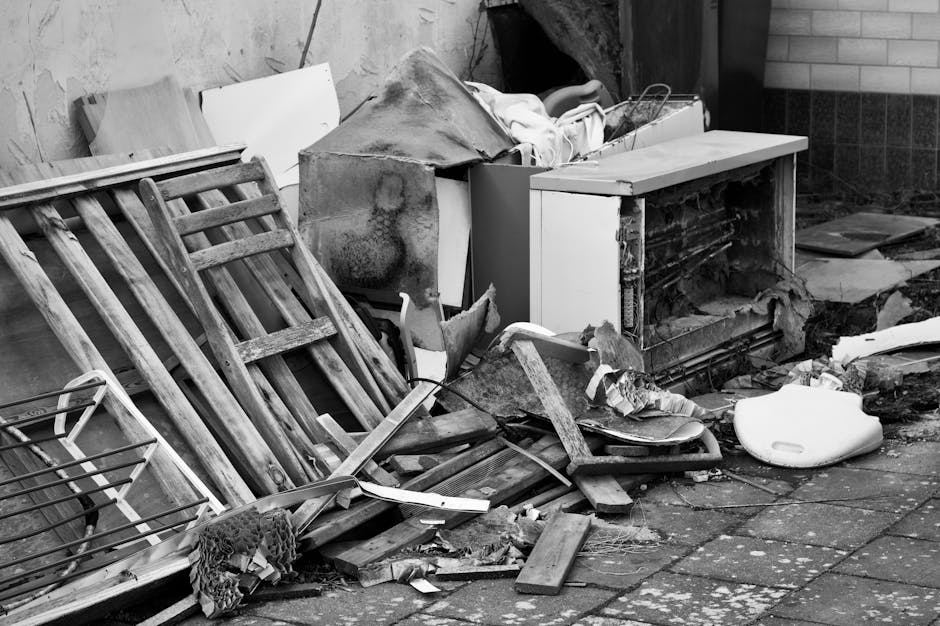
Rubbish removal for basement access problems in Ealing
If your basement is full of old furniture, broken appliances, builders' offcuts, or the sort of mystery clutter that accumulates when a space is out of sight, you already know the problem: the access is often the hard part. Narrow stairs, low ceilings, awkward turns, damp floors, and poor lighting can turn a simple clearance into a small logistical headache. That is exactly where rubbish removal for basement access problems in Ealing becomes useful. It is not just about taking waste away. It is about clearing it safely, without damaging the property, injuring anyone, or making the process drag on all day.
In this guide, we will walk through how basement clearances work when access is tight, what to expect, what to avoid, and how to plan the job so it feels manageable rather than chaotic. If you are dealing with a W5 or W13 property, a period house, a converted flat, or a commercial basement with awkward access, this will help you make sensible decisions. And yes, there is a way to do it without losing half your Saturday to carrying dusty cupboards up one by one.
For broader household and property clearance support, you may also find home clearance and flat clearance useful as related services, especially where the basement is part of a wider decluttering project.
Table of Contents
- Why this matters in Ealing
- How basement rubbish removal works
- Key benefits and practical advantages
- Who needs this and when it makes sense
- Step-by-step guidance
- Expert tips for better results
- Common mistakes to avoid
- Tools, resources and recommendations
- Law, compliance and best practice
- Options and comparison table
- Case study or real-world example
- Practical checklist
- Conclusion
- Frequently asked questions
Why Rubbish removal for basement access problems in Ealing Matters
Basements are funny spaces. They are often the most useful room in the house and the least convenient one to clear. You might be dealing with old wardrobes, damp-soaked cardboard, cracked tiles, paint tins, childhood furniture, or leftover renovation waste. The trouble is rarely the waste itself. It is the route out.
In Ealing, many properties have narrow front steps, shared hallways, lower-ground conversions, or basement rooms tucked behind the main house. That creates a practical problem: items that could be shifted easily from a ground-floor room suddenly become awkward, heavy, and potentially risky once stairs and corners are involved. Add in the fact that basements can be poorly lit and a little musty, and the job stops being a simple clearance and becomes a health-and-safety exercise.
Why does this matter so much? Because poor access affects everything:
- how quickly the clearance can be completed
- whether items need dismantling first
- how many people are needed
- what vehicle or loading arrangement works best
- whether fragile surfaces, bannisters, or walls are likely to be damaged
There is also the matter of neighbour relations and shared access. In a terrace or conversion, bulky items carried through communal areas can create nuisance if the job is not planned properly. A well-run basement clearance keeps disruption down, which matters more than people realise. Let's face it, nobody wants to drag a sofa past the front door at 8 a.m. and discover the hallway is now part of the problem.
This is where a professional rubbish removal approach is different from a quick DIY effort. It treats access as part of the job, not an afterthought. That subtle difference saves time, stress, and sometimes a fair bit of plaster dust.
How Rubbish removal for basement access problems in Ealing Works
The process usually starts with a look at the access route. That might be a narrow internal staircase, a side return, a cellar hatch, a shared corridor, or a basement entrance that opens onto a rear passage. The key question is simple: how does the waste actually get out without causing damage or delay?
From there, the team will normally assess:
- the size and weight of the items
- the condition of the staircase or route
- whether furniture can be taken apart
- if any items are damp, fragile, or awkwardly shaped
- where parking or loading is possible nearby
That last point matters a lot in Ealing. A clear loading plan can make the difference between a tidy one-visit clearance and a job that keeps stalling because the route to the vehicle was never thought through. Sometimes the obvious route is not the safest route. Sometimes a smaller team and more controlled loading is better than trying to muscle everything out at once. To be fair, a cellar full of mixed waste is rarely as straightforward as it looks from the doorway.
The physical removal itself tends to follow a sequence:
- Sort the waste by type and priority.
- Identify items that need dismantling or special handling.
- Protect floors, walls, and tight corners where needed.
- Move items in controlled stages, not rushed bundles.
- Load the waste into the vehicle, separating reusable or recyclable material where possible.
- Finish with a sweep-through so the access route is left safe and tidy.
Where access is especially awkward, a team may use smaller handling methods rather than trying to force large items through. In practice, that can mean more patience, but usually less mess.
If the basement contains mixed household waste, the job may overlap with services such as house clearance or garage clearance, depending on how much storage clutter has built up over time.
Key Benefits and Practical Advantages
The main benefit is obvious: the rubbish is removed without you having to wrestle it up a hostile staircase. But the practical value goes further than that. A good basement clearance reduces risk, saves time, and makes the space useful again.
Here are the real-world advantages people tend to notice first:
- Less physical strain. Heavy lifting up stairs is exactly where backs and shoulders complain later.
- Lower risk of damage. A controlled removal plan protects plaster, paint, stair rails, and flooring.
- Better use of space. Once the clutter is gone, you can inspect damp, ventilation, or storage issues properly.
- Faster property turnover. Useful for sales, rentals, renovations, or probate-related clearances.
- Cleaner working conditions. Removing waste from a basement often reveals hidden dust, mould spots, or water ingress that need attention.
There is also a quieter benefit people sometimes underestimate: peace of mind. A basement piled high with old junk can cast a surprising shadow over the rest of the home. Once it is gone, the property tends to feel lighter. Sillier phrase than it deserves, maybe, but true all the same.
Expert summary: If the access route is difficult, the smartest clearance plan is usually the one that respects the space first and the waste second. That approach keeps the job safer, quicker, and usually more economical in the long run.
For anyone weighing up whether to clear now or later, basement access issues rarely improve on their own. The longer items stay put, the more likely they are to absorb moisture, stick together, or break apart when moved. That is not ideal, obviously.
Who This Is For and When It Makes Sense
This type of rubbish removal is relevant to a surprising number of people. It is not only for large house clearances or commercial premises. In fact, some of the most awkward basement jobs come from ordinary homes where the space has quietly become a dumping ground over many years.
You may need this service if you are:
- clearing a basement after a move, renovation, or inheritance
- dealing with water-damaged or damp storage items
- preparing a property for sale or letting
- emptying a cellar in a period property with tight access
- removing old furniture, white goods, or broken storage units
- sorting waste from a long-term clutter build-up
- managing a commercial basement or back-of-house storage area
It also makes sense if the job is more than you can safely do alone. That includes situations where items are too heavy, too bulky, or simply too awkward to carry upstairs without help. Basement clearances are one of those jobs where confidence is not the same as capability. A strong back is lovely; a sensible plan is better.
If the space has become overwhelming, a broader decluttering or specialist clearance approach may help. You might also look at clutter removal and hoarder clean-up support if the basement is part of a larger home-wide issue. That is a very different job from a few bags of odds and ends, of course, but the principle is similar: get the space back in a controlled way.
Step-by-Step Guidance
If you want the process to run smoothly, a little preparation goes a long way. Here is a practical way to think about it.
1. Identify the access route
Start by checking the actual path out of the basement. Is it a straight staircase? A tight bend? A low doorway? A narrow passage shared with neighbours? Even a few centimetres can matter with bulky items.
2. Separate what stays and what goes
Before anything is moved, decide which items are definitely being removed. Mixed piles slow things down because every item becomes a question. A simple "keep, remove, maybe" approach can stop the job from becoming muddy and indecisive.
3. Flag difficult items early
Point out anything especially heavy, damp, sharp, or fragile. Old freezers, broken wardrobes, paint tins, and waterlogged boxes often need different handling from loose household rubbish.
4. Clear a safe working strip
If possible, create a clear path from the basement items to the exit point. Even a narrow lane through the clutter helps. You do not need perfection here. Just enough room so nobody has to step sideways like a crab carrying a lamp.
5. Protect the route
Use coverings or mats where needed, especially if floors are delicate or the basement is damp. In older Ealing properties, stairs can be narrow and a bit unforgiving, so small precautions matter.
6. Remove in the right order
Light, loose, and awkward items may come out before the truly heavy pieces. Sometimes the job is easier if larger furniture is dismantled first. The aim is to keep the route safe and reduce the chance of snagging on corners.
7. Check the final space
Once the rubbish is gone, do a final sweep for nails, splinters, glass, or small fragments. Basements can hide tiny hazards in plain sight.
If your waste includes appliances or bulky furniture, it can help to think in terms of specialised removal. For example, fridge and appliance removal or furniture disposal may be more suitable than treating everything as general waste.
Expert Tips for Better Results
These are the practical details that tend to make a clearance feel smooth instead of slightly chaotic.
- Photograph the basement before the job starts. This helps you remember what was there and can be useful if the clearance is part of a larger property project.
- Measure the awkward bits. Stair width, ceiling height, and doorway clearances are worth checking. Guessing is how wardrobes get stuck halfway up a staircase.
- Keep damp items separate. Wet cardboard, mouldy textiles, and waterlogged wood can spread mess quickly.
- Plan for dust. Old basements can release more dust than expected once things are moved. A torch and mask can be helpful if the space has been untouched for a while.
- Ask about recycling first. Not every item belongs in the same load, and separating reusable materials can improve the outcome.
- Do not wait until the access route is blocked. If a basement is already full to the door, the clearance becomes slower and riskier.
One small but useful observation: the best basement clearances tend to happen when everyone agrees on the job before anyone starts lifting. That sounds obvious, but it saves a lot of back-and-forth. Literally and otherwise.
For households or businesses trying to make the process more sustainable, recycling and sustainability is worth considering alongside the clearance itself. The point is not just to empty the room, but to handle the waste responsibly.
Common Mistakes to Avoid
Basement access problems are easy to underestimate. That is where most avoidable mistakes begin.
- Assuming everything will fit up the stairs. A wardrobe that looked manageable downstairs can become a nightmare on the turn.
- Skipping the access check. A clearance team needs to know about tight bends, low headroom, and shared hallways in advance.
- Mixing waste types. General rubbish, bulky furniture, appliances, and potentially hazardous materials should not always be treated the same way.
- Leaving damp items to fester. Moisture makes cardboard collapse, fabrics smell worse, and mould risks higher.
- Blocking emergency routes. Never let clutter build up in a way that compromises safe exit paths.
- Trying to rush the job. Speed without a plan usually creates damage, not efficiency.
A smaller mistake, but a common one: not checking what can be dismantled before moving day. A table leg removed in advance can save an awkward hour later. Human nature says "we'll manage". Basements say "prove it".
If the waste has been sitting for a long time, you may also want to check for items that need special disposal. A general service can handle a lot, but some materials are better kept apart. In those cases, hazardous waste disposal may be relevant, depending on what is stored there.
Tools, Resources and Recommendations
You do not need a warehouse full of kit to clear a basement safely, but a few practical tools can make a real difference.
| Item or approach | Why it helps | Best for |
|---|---|---|
| Work gloves | Protects hands from splinters, sharp edges, and grime | General basement waste |
| Head torch or strong portable light | Improves visibility in low-light corners | Older cellars and storage rooms |
| Dust sheets or floor protection | Helps protect stairs and hallways | Properties with delicate flooring |
| Dismantling tools | Lets you reduce bulky items before moving them | Furniture and shelving |
| Sorting bags or labelled boxes | Keeps keep, donate, recycle, and remove items separate | Mixed decluttering jobs |
| Clear loading plan | Reduces delays and wasted movement | Any restricted-access clearance |
For larger or more mixed loads, it may help to compare the available removal routes. Some people prefer a full-service waste collection, while others want to break the job into stages. You can also consider waste removal for general clearance needs, or builders waste clearance if the basement has been left with renovation debris.
It is also wise to think ahead about what happens after the clearance. Will you need to repaint, deal with damp, or reorganise storage? A clear basement is only useful if the next step is planned, even loosely. Otherwise the room fills up again by Christmas. Happens all the time.
Law, Compliance, Standards, or Best Practice
When rubbish removal involves a basement, compliance is not just a box-ticking exercise. It is part of keeping the job safe and responsible. In the UK, waste should be handled by a suitably authorised operator, and the person producing the waste also has a responsibility to be careful about where it ends up. That does not mean you need to become a legal expert. It does mean you should be comfortable asking sensible questions before the job begins.
Best practice usually includes:
- confirming that waste will be transported and disposed of appropriately
- separating special items where required
- avoiding unsafe lifting or blockages in shared areas
- protecting workers, residents, and the property during removal
- keeping access routes clear for emergency use
In practical terms, good providers should be able to explain how they manage safety, recycling, and responsible disposal. If a team cannot explain its process clearly, that is a small red flag. Not a giant siren, but enough to make you pause.
For peace of mind, many people also look at supporting policies and service information before booking. Useful background pages include health and safety policy, insurance and safety, and pricing and quotes. These help set expectations around how a job is planned and what is included.
If the property has shared entrances, common parts, or tenancy-related constraints, it is sensible to avoid making assumptions. A quick check with the landlord, managing agent, or building rules can prevent awkward surprises later. Nobody enjoys a last-minute "actually, that hallway needs to stay clear" conversation.
Options, Methods, or Comparison Table
There is more than one way to tackle basement rubbish, and the right option depends on access, volume, and how much lifting is involved. Here is a simple comparison.
| Method | Best for | Pros | Cons |
|---|---|---|---|
| DIY removal | Small loads and easy access | Lower upfront cost, full control | Time-consuming, physically demanding, higher risk of damage |
| Split-the-job approach | Medium clearances with awkward items | Flexible, manageable pace | Still requires planning and sorting |
| Professional clearance | Restricted access, bulky waste, heavy items | Safer, faster, less disruption | Usually costs more than doing it yourself |
| Specialist removal for bulky or specific waste | Appliances, furniture, mixed bulky items | More efficient for awkward loads | May require separate handling of certain materials |
For a cramped basement, the professional option is often the most practical because access, not volume, is the main issue. A small pile of very awkward items can be more difficult than a large pile of light waste. That catches people out quite often.
If the basement is part of a wider property refresh, combining methods can work well. For example, furniture may be removed separately, while loose rubbish is cleared in the same visit. In some cases, that is simply the smartest way to keep the job moving.
Case Study or Real-World Example
A typical Ealing scenario might look like this: a lower-ground basement in a terraced house has become storage for old shelves, broken suitcases, a dismantled sofa base, several damp boxes, and bags of household junk left over from a long-planned sort-out that never quite happened. The stairwell is narrow, the turn at the bottom is tight, and the ceiling is low in one corner. Not ideal.
The first step was not lifting. It was assessment. The team checked the route, identified the bulkiest items, and decided that one large cabinet needed partial dismantling before it could be moved safely. A few items that looked light turned out to be waterlogged and heavier than expected, which is very basement, isn't it? The weather had clearly done its own little experiment down there.
Once the route was protected, the waste was removed in a controlled sequence: loose bags first, then dismantled shelving, then the bulky furniture pieces. The access path stayed clear throughout, and the area was swept at the end so the homeowner could inspect the space properly. Afterward, they could finally see the walls again, which sounds trivial until you have lived with the clutter for months.
The lesson from jobs like this is simple. A basement clearance works best when the access problem is treated as the central issue, not a side note. That is where planning pays off.
Practical Checklist
Use this checklist before arranging rubbish removal for a basement with awkward access in Ealing.
- Confirm the route in and out of the basement
- Measure narrow doorways, stairs, and turns
- Identify any items that are wet, fragile, or unusually heavy
- Separate keep, donate, recycle, and remove items
- Clear a safe working path where possible
- Protect floors, bannisters, and corners
- Check whether items need dismantling
- Ask how bulky items, appliances, or special waste will be handled
- Make sure shared areas or access routes stay unobstructed
- Plan what you want to do with the space after clearance
If you can tick most of these off before the job begins, the whole process is usually calmer. Much calmer, in fact.
Get a free quote today and see how much you can save.
Conclusion
Rubbish removal for basement access problems in Ealing is really about one thing: making a difficult space workable again without turning the process into a stressful ordeal. Once you account for stairs, corners, damp, shared hallways, and bulky items, the job becomes less about brute force and more about planning, safety, and sensible handling.
Whether you are clearing a family cellar, preparing a flat for sale, emptying a storage basement, or just getting rid of years of accumulated clutter, the right approach will save you time and reduce risk. And perhaps more importantly, it gives the space back to you. That may sound simple, but if you have ever stood at the bottom of a dark basement staircase with a broken cabinet in front of you, you know it is anything but.
Take it one step at a time. The room will feel different once the weight is gone.
Frequently Asked Questions
What counts as a basement access problem for rubbish removal?
Anything that makes moving waste out difficult or unsafe can count: narrow staircases, tight turns, low ceilings, poor lighting, damp floors, shared hallways, or a route that is too awkward for bulky items. Even a small obstruction can slow the job right down.
Can bulky furniture be removed from a basement in Ealing?
Yes, usually. The key is whether it can fit through the route intact or whether it needs dismantling first. Sofas, wardrobes, shelving, and bed frames are common examples where access planning makes all the difference.
Is it safer to remove basement rubbish myself or hire help?
Small, light loads with easy access may be manageable on your own. But if stairs are narrow, items are heavy, or the basement is damp or cluttered, professional help is usually the safer choice. In practice, that is often the less stressful option too.
How do I prepare a basement before a clearance?
Separate what you want to keep, remove obvious loose items from the route, flag anything heavy or damaged, and make sure the access path is as clear as possible. A quick photo of the area can also be handy.
What if the basement contains damp or mouldy items?
Damp items should be handled carefully because they can be heavier, messier, and sometimes unpleasant to move. If there is visible mould or water damage, mention it in advance so the right precautions can be taken.
Can rubbish removal include old appliances from a basement?
Yes, but appliances are best handled separately or as part of a service that knows how to deal with bulky electrical items. Fridges, freezers, and similar objects often need specific handling because of their size and materials.
How long does a basement clearance usually take?
It depends on access, volume, and how mixed the waste is. A small, tidy job may be quick, while a cluttered basement with narrow stairs and heavy items will take longer. Access problems matter more than most people expect.
Will the clearance team protect my stairs and hallway?
A careful team should take steps to protect surfaces where needed, especially on narrow or delicate routes. If you are worried about damage, ask about their process before booking. It is a fair question.
What happens to the rubbish after it is removed?
It should be transported for appropriate disposal, with recyclable materials separated where possible. Responsible handling matters, especially for mixed waste, furniture, and appliances. The aim is not just to clear the space but to deal with the waste properly.
Can basement rubbish removal be done the same day?
Sometimes, yes, depending on the size of the job, the access route, and availability. Same-day clearance is more likely for smaller or more straightforward jobs, but tight access can require a bit more planning.
What should I ask before booking rubbish removal for a basement?
Ask how access will be assessed, whether bulky items can be dismantled, how special waste is handled, and what is included in the quote. Clear answers up front are usually a sign of a well-organised service.
Is basement rubbish removal useful before a property sale or renovation?
Absolutely. Clearing a basement before selling, letting, or renovating makes the property easier to assess and often easier to value or work on. It also helps expose any underlying issues, like damp or damaged flooring, that need attention before the next step.
For anyone in Ealing facing a basement that has become too awkward to manage alone, the sensible move is to treat access as part of the clearance plan from day one. That way, the job feels smaller, safer, and far more doable. And once the space is clear, you may be surprised by how much calmer the whole property feels.